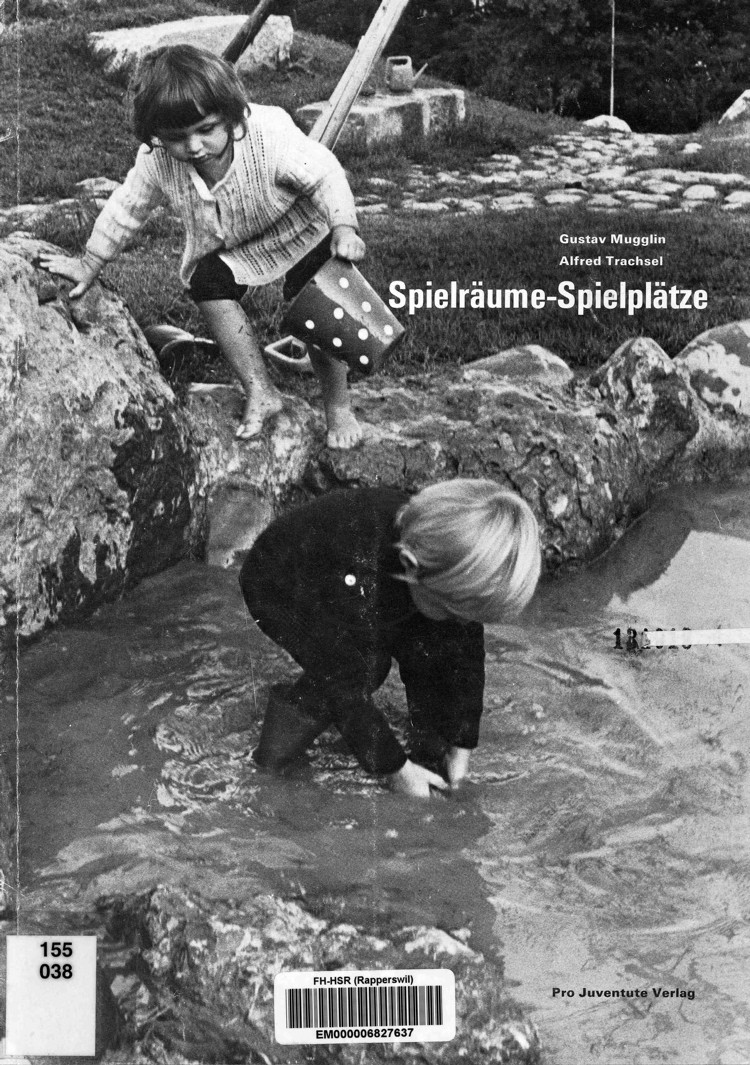
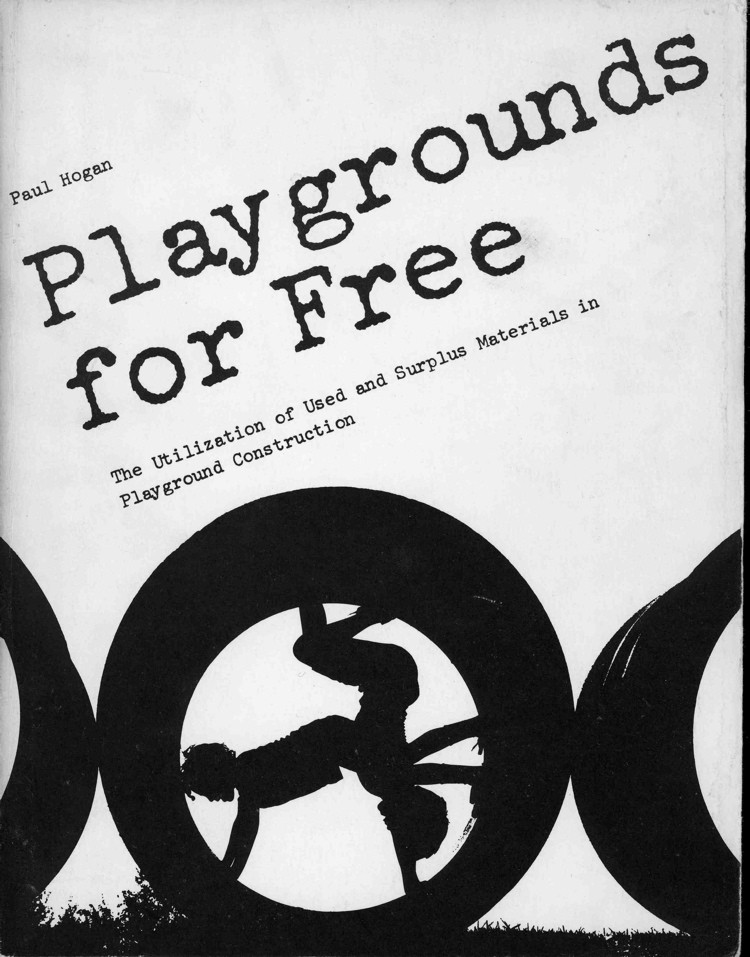
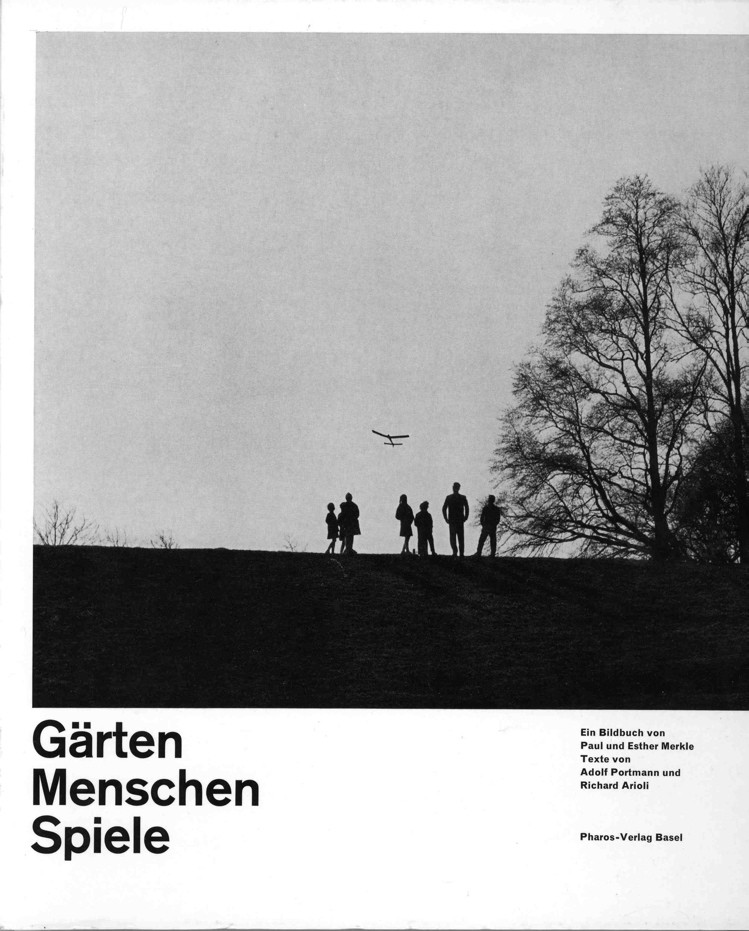
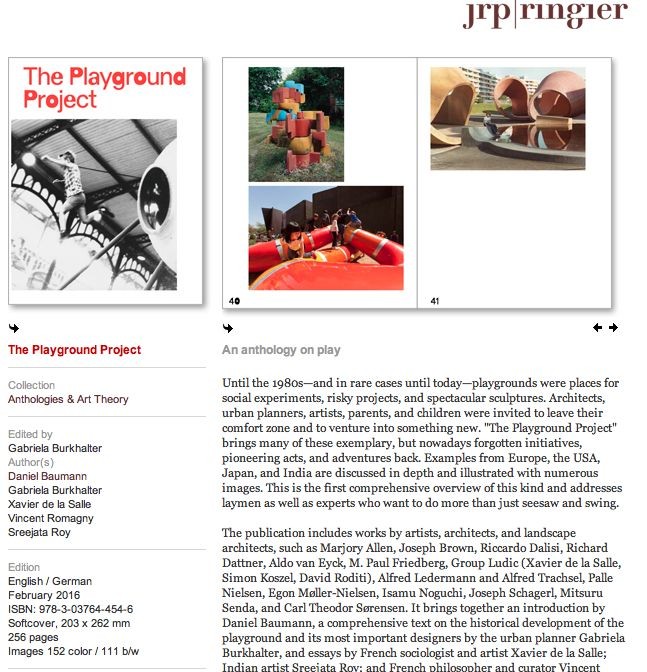
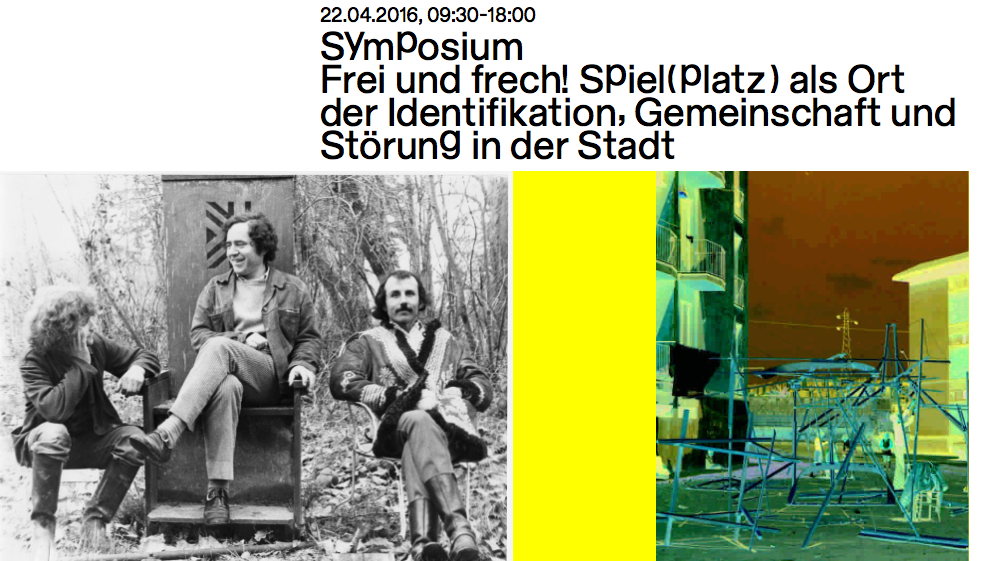
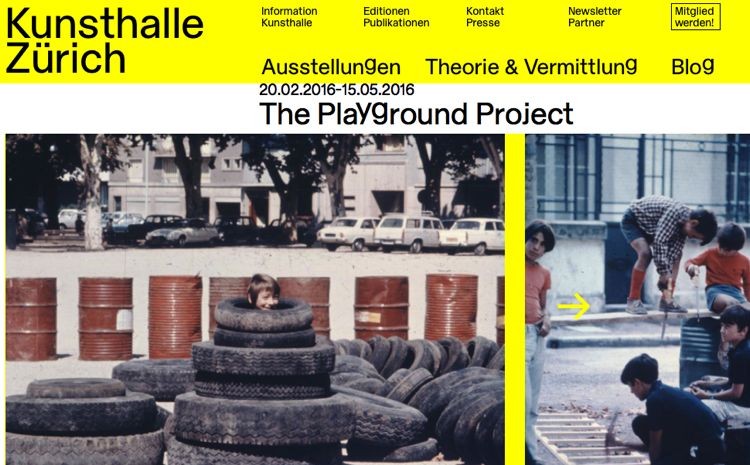
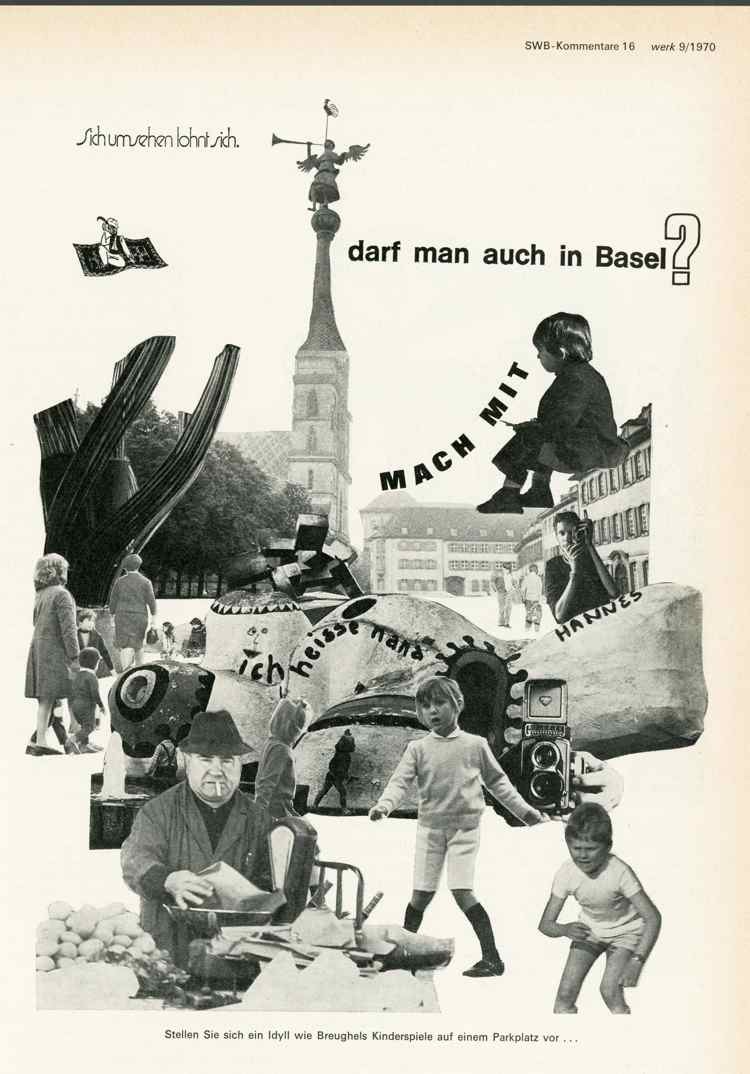
Architekturfuerkinder.ch ist ein Forschungsprojekt (seit 2006), ein online-Archiv und Grundlage der Wanderausstellung The Playground Project zur Geschichichte des modernen Kinderspielplatzes. Architekturfuerkinder.ch is a research project (started in 2006), an online archive on the history of the modern playground. The Playground Project is a travelling exhibition

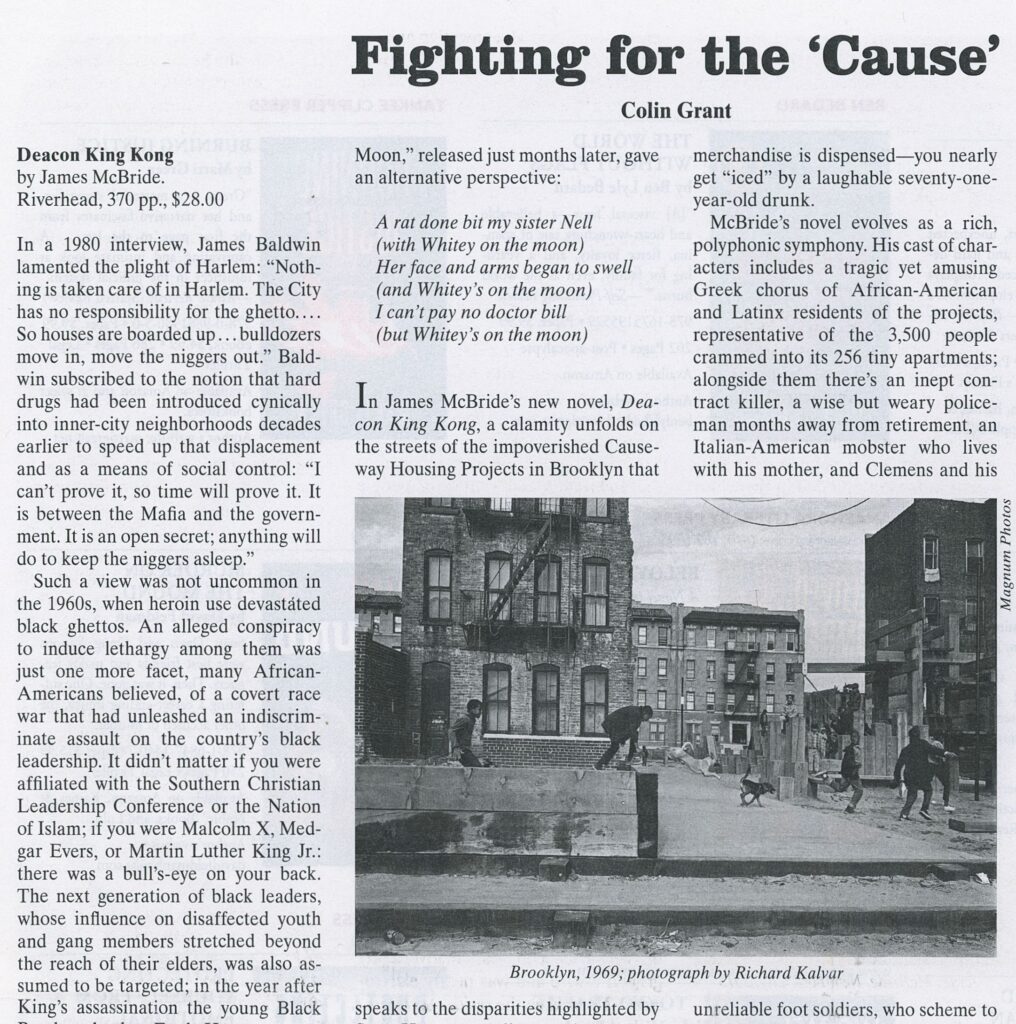
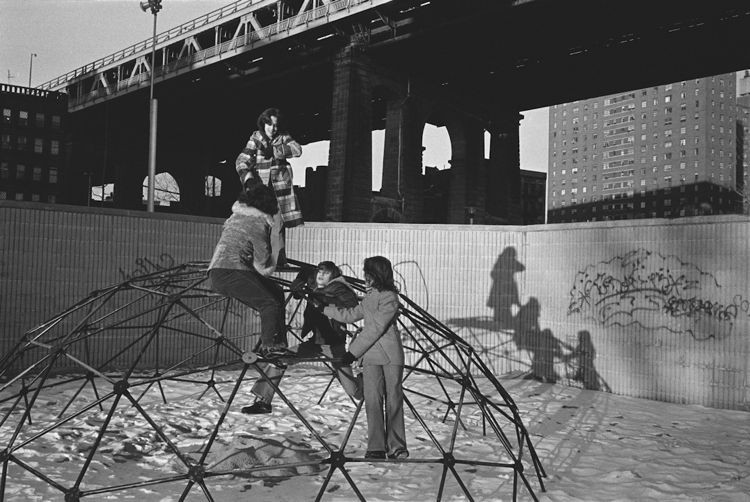
Susan Meiselas: At the playground under the Manhatten Bridge, 1976
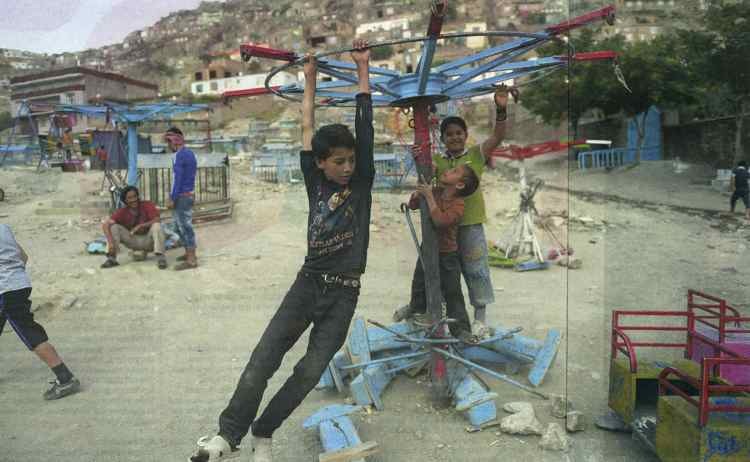
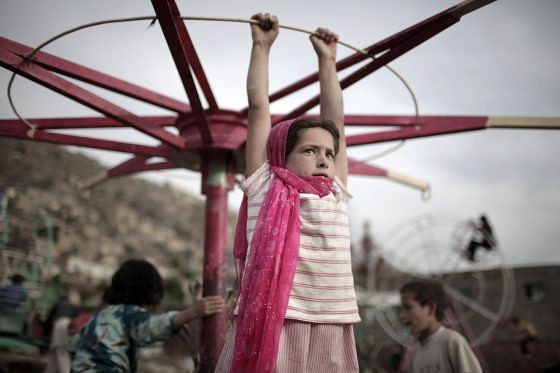
Spielplatz Kabul Afghanistan, Bild
AFP Photo / Mauricio Lima
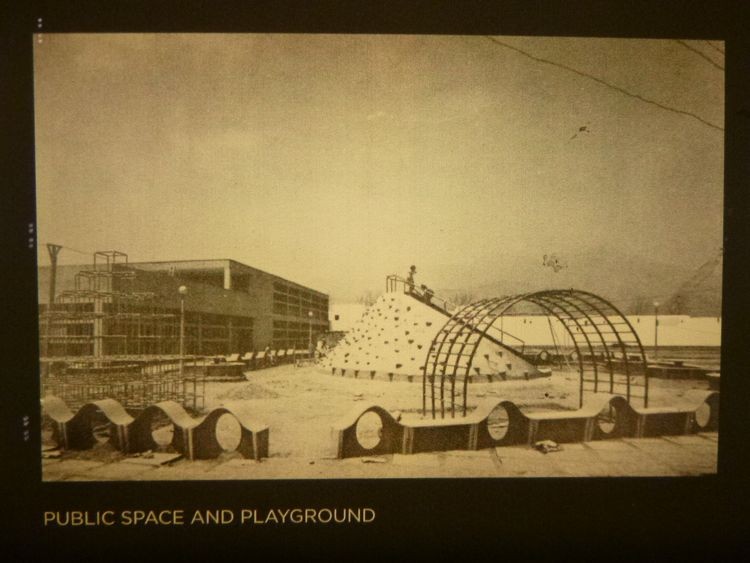
Proyecto Experimental de Vivienda
Lima, Peru, c. 1970 (Biennale 2014)
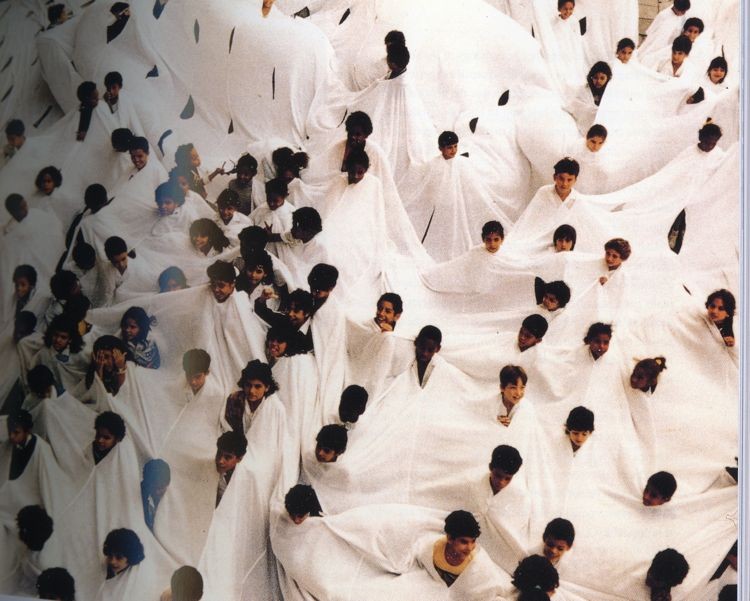
Lygia Pape: Divisor (Divide), 1968
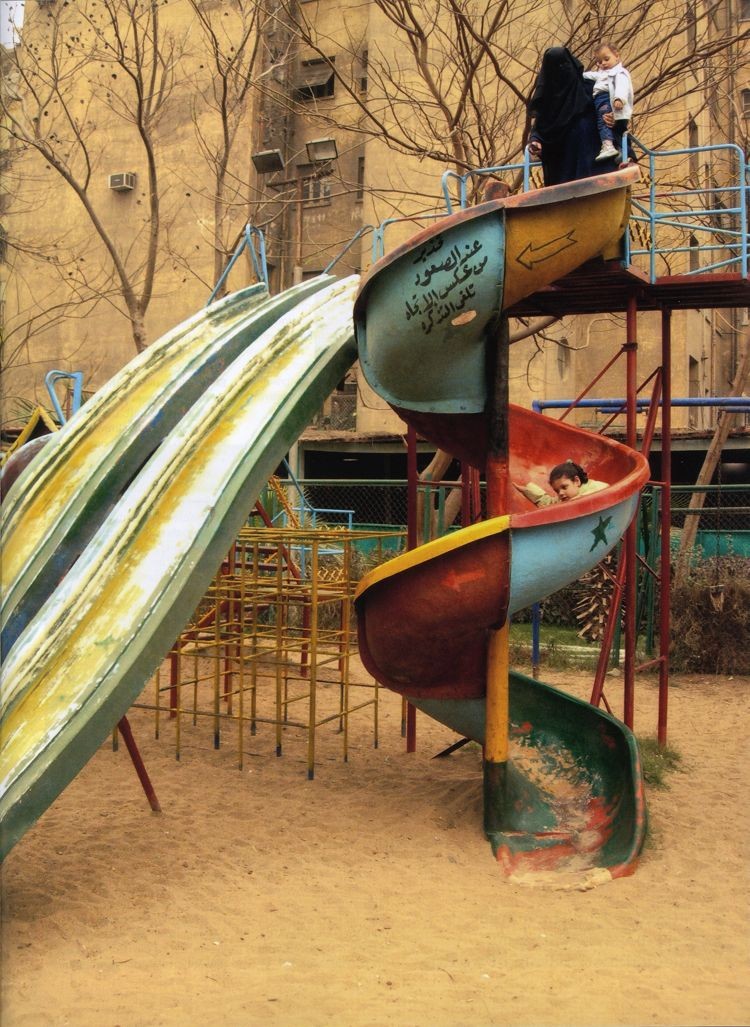
Maha Maamoun: El-Sayyida Park #1
2008, Deutsche Bank Collection
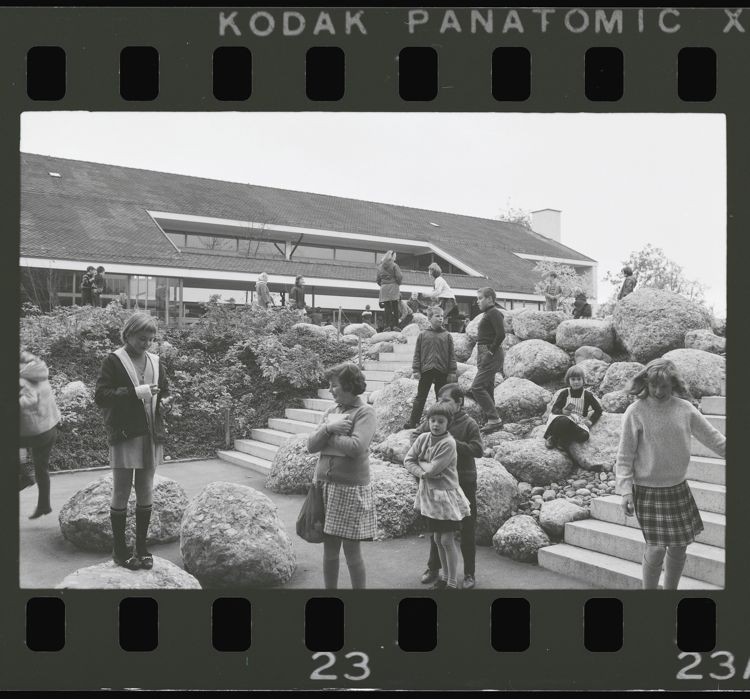
Ernst Baumann, Schulhaus im Eich
Hombrechtikon, 1964, gta-Archiv
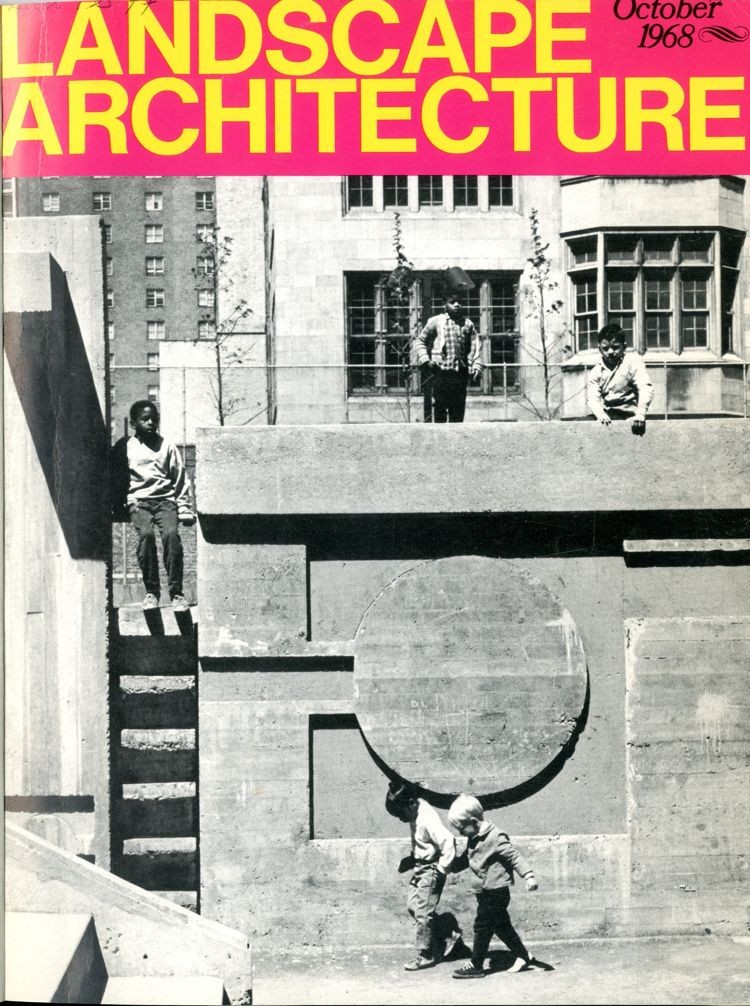
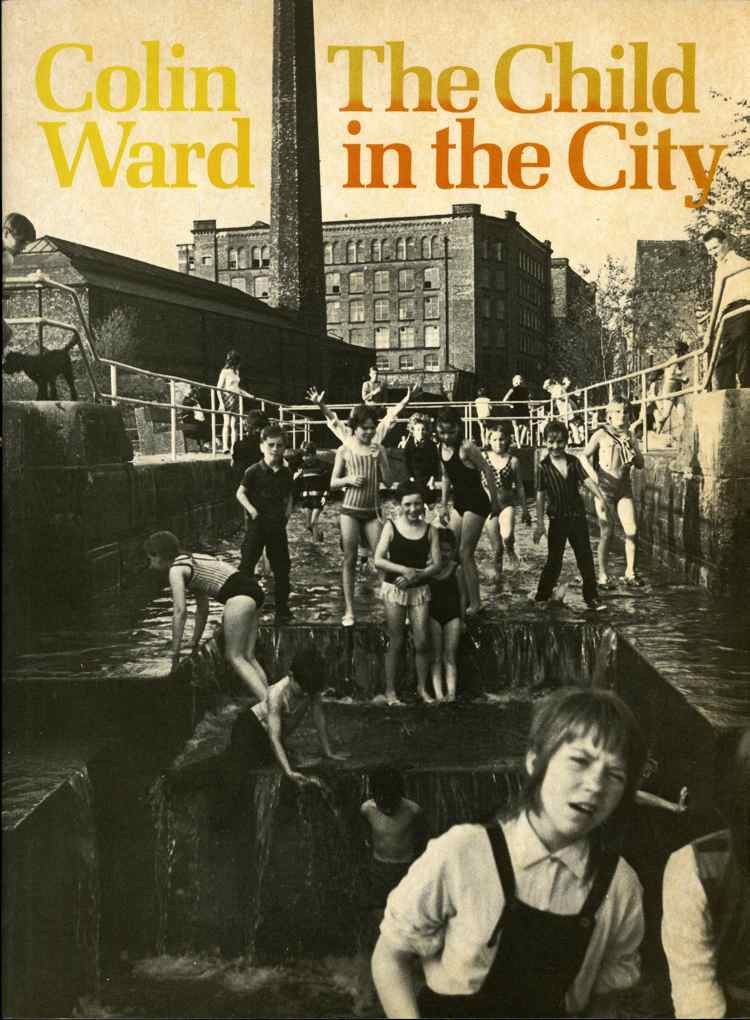
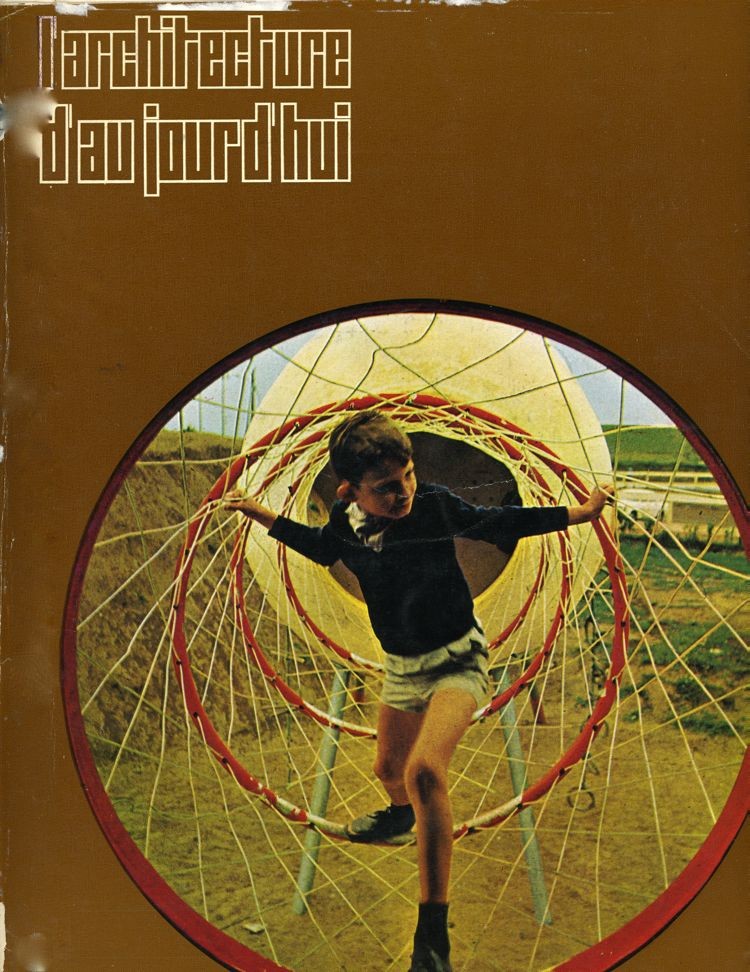
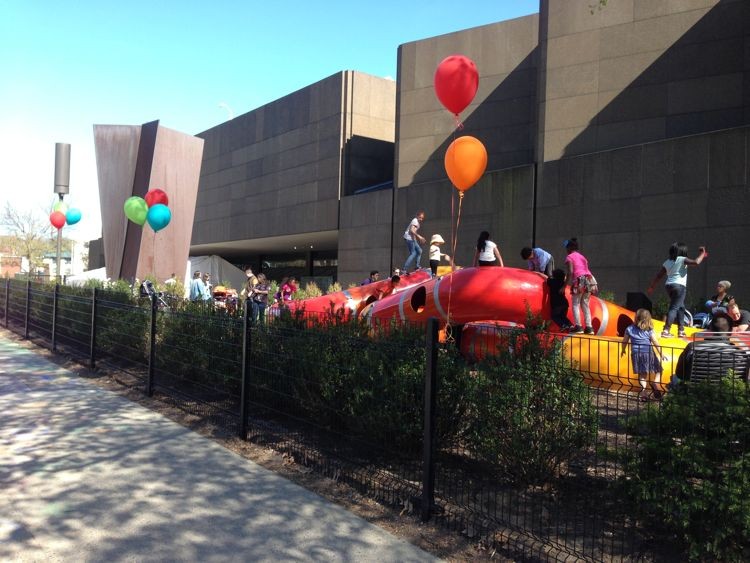
Carnegie Museum of Art Pittsburgh
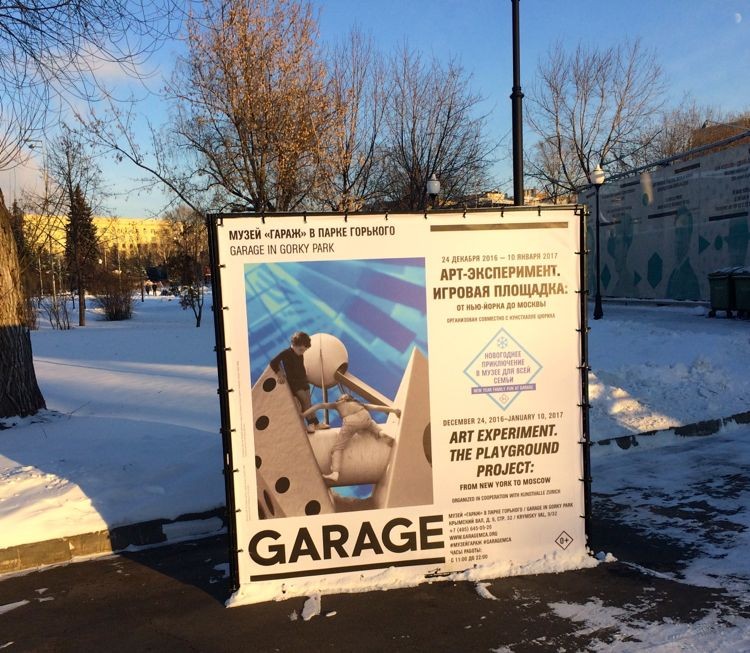
Playday 2014
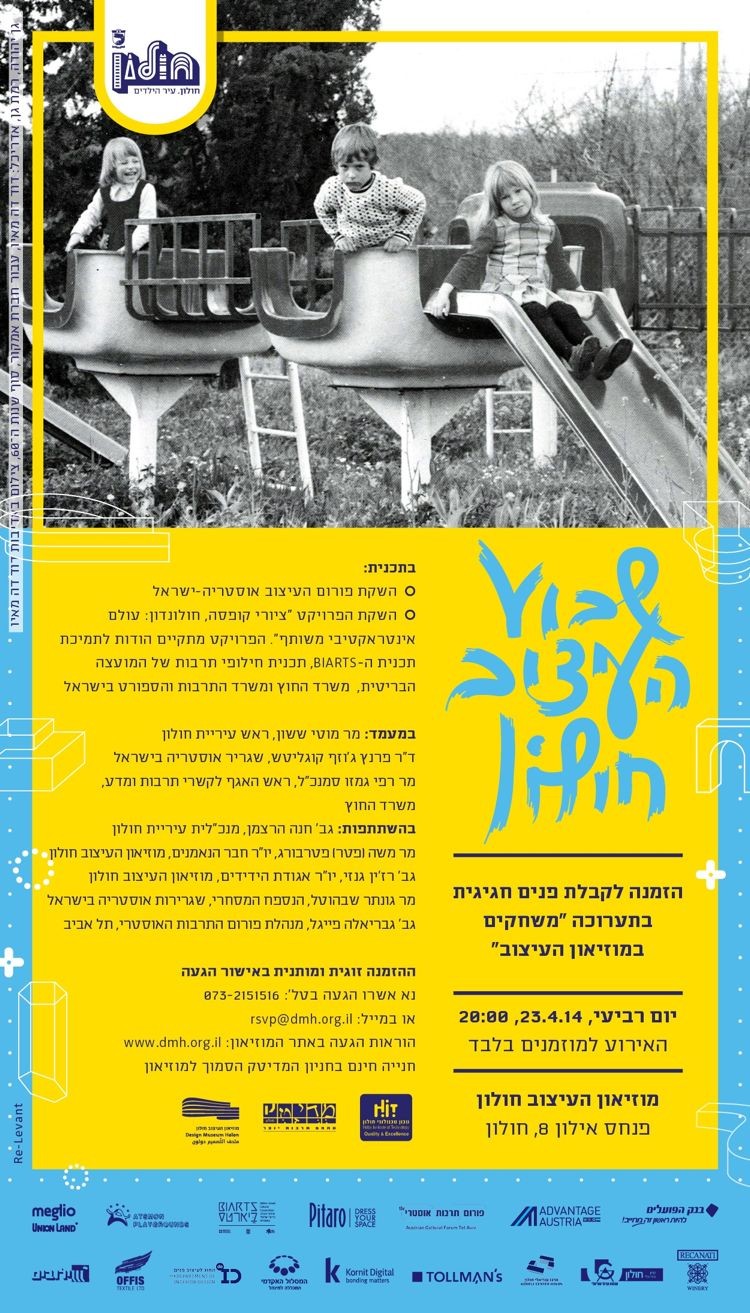
Playing at Design Museum Holon
Israel, April 16 – June 07, 2014
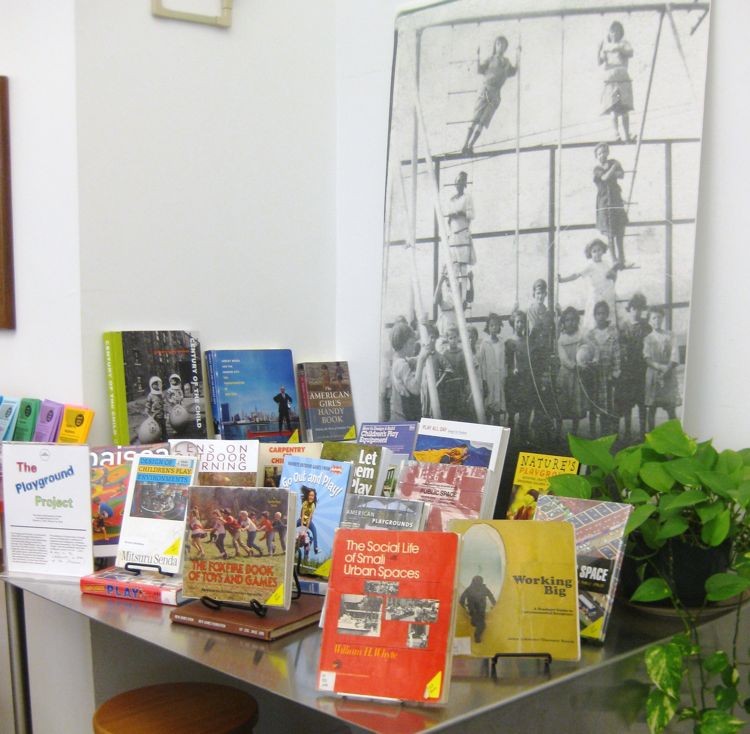
„Playground Project“ Book’s Display
Carnegie Library of Pittsburgh
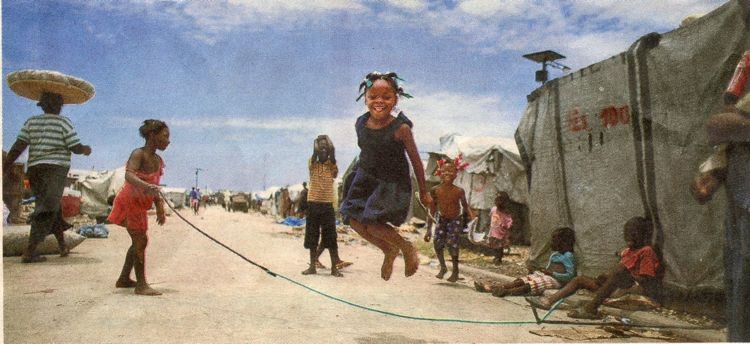
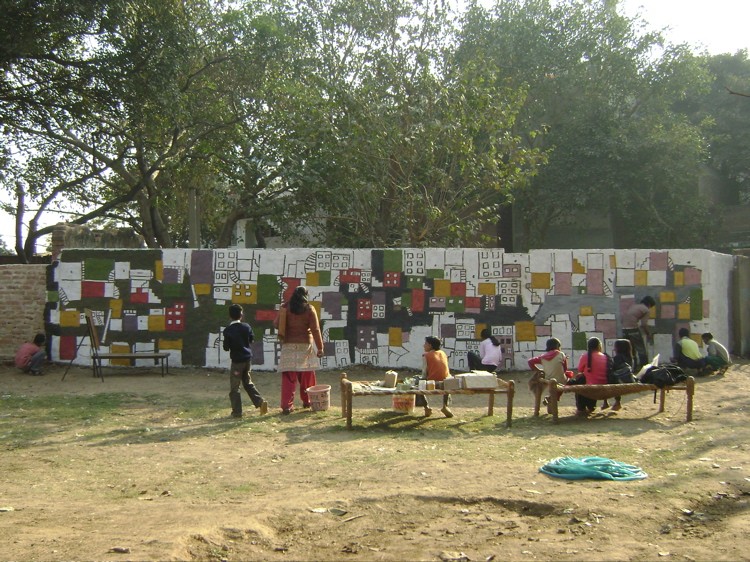
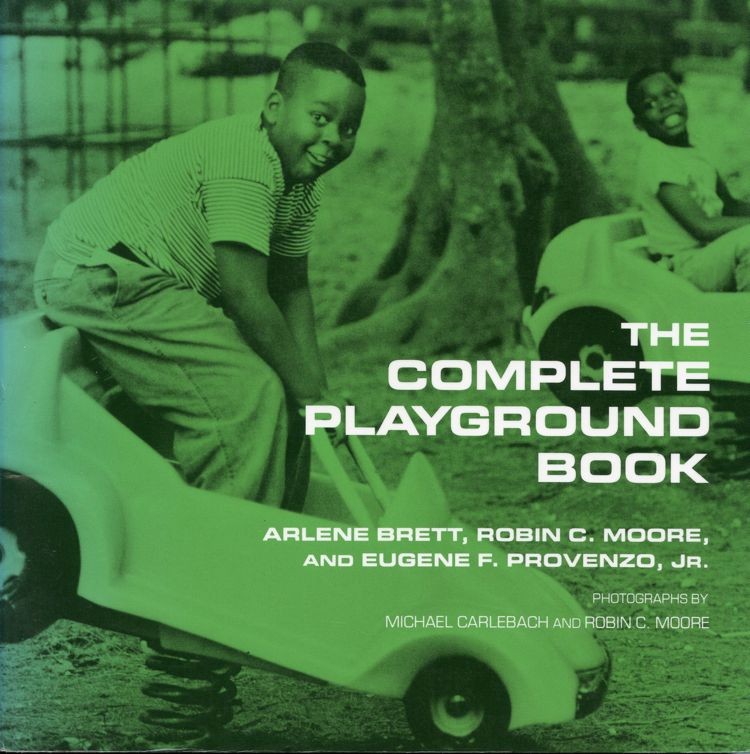
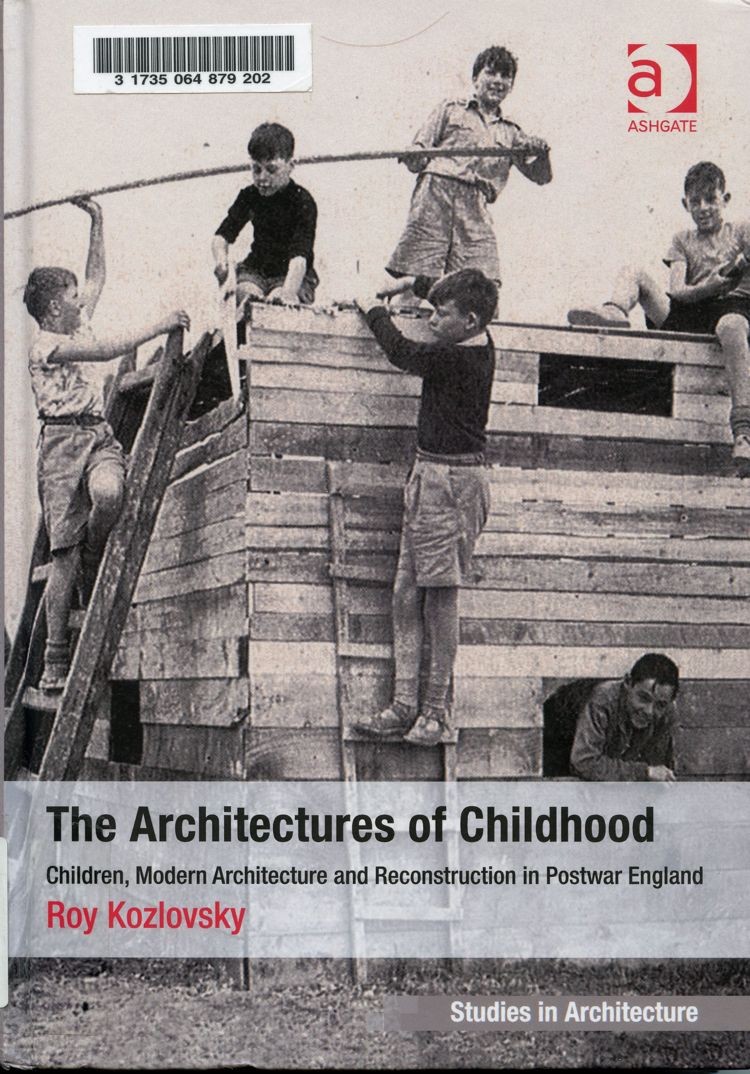
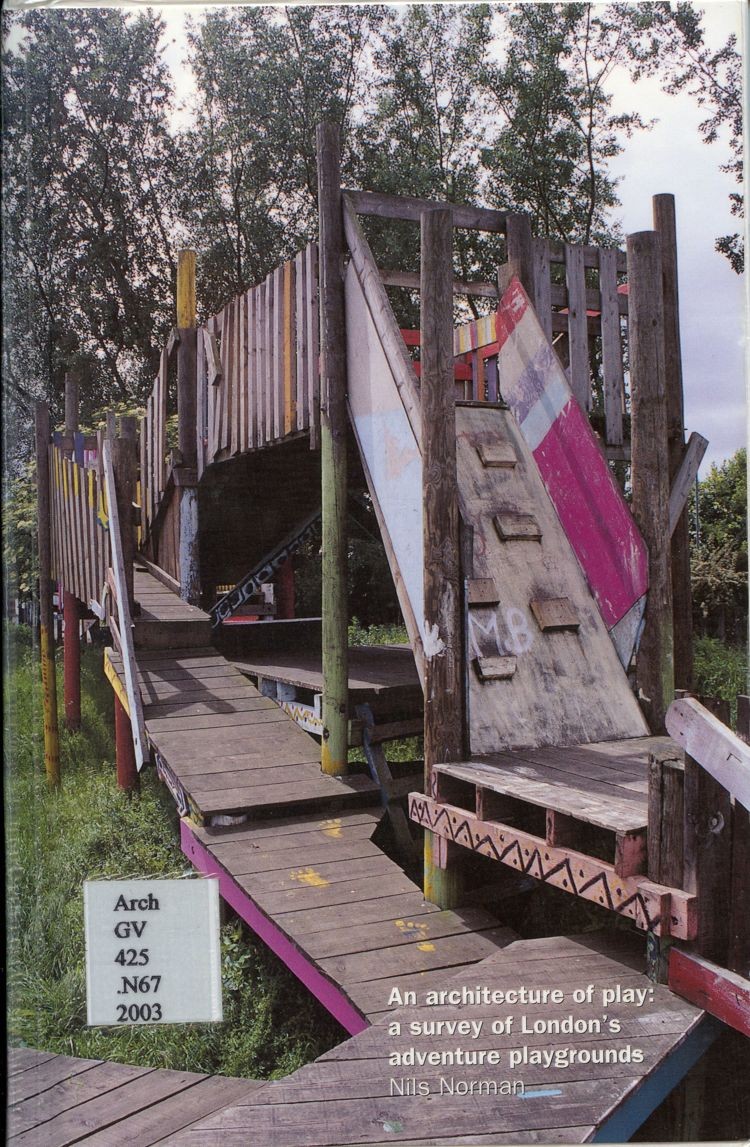
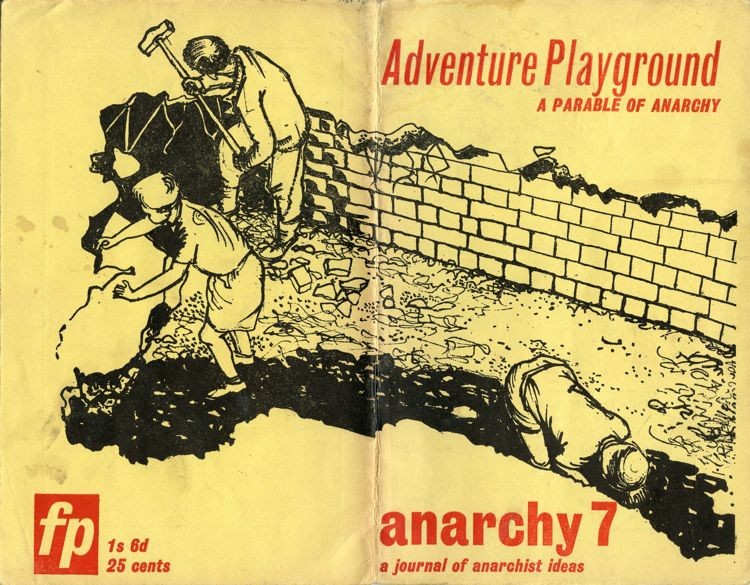
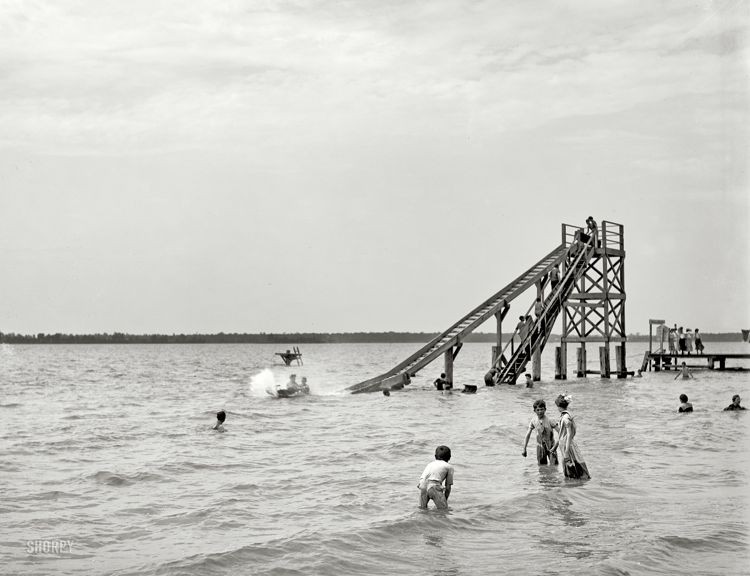
Bois Blanc Island, Michigan
Water toboggan, circa 1903
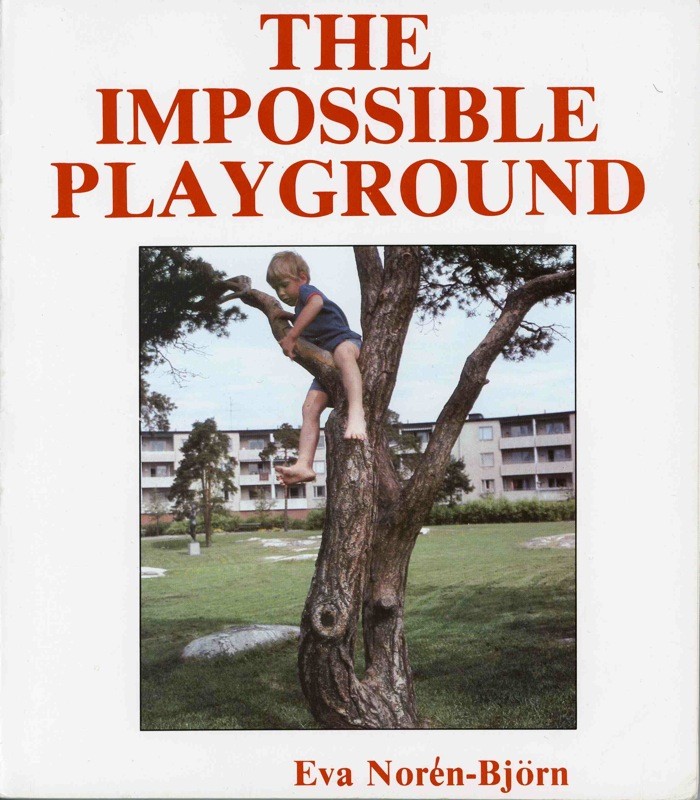
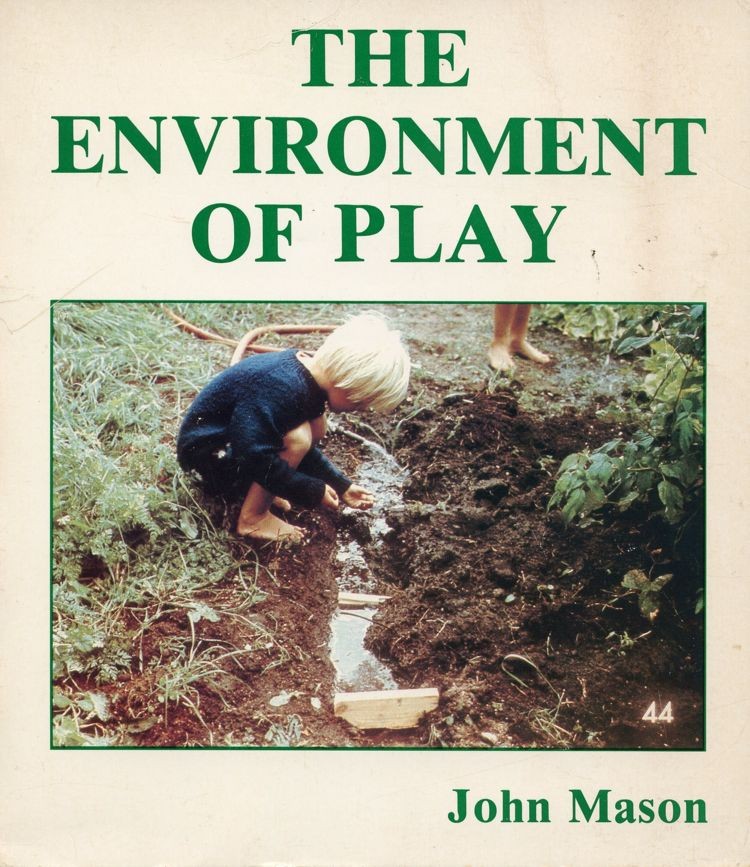
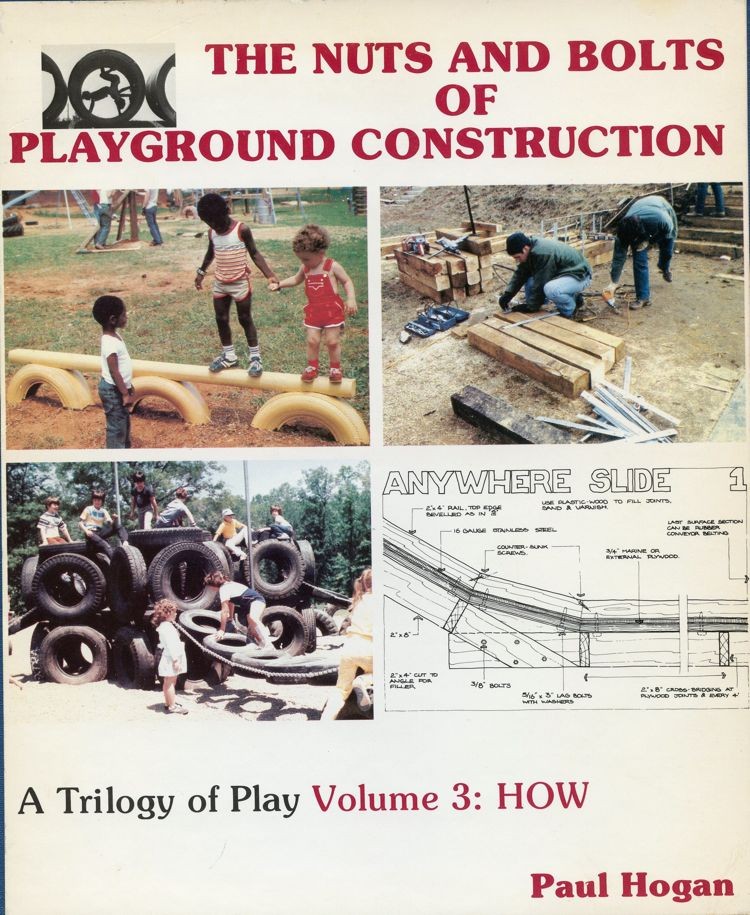
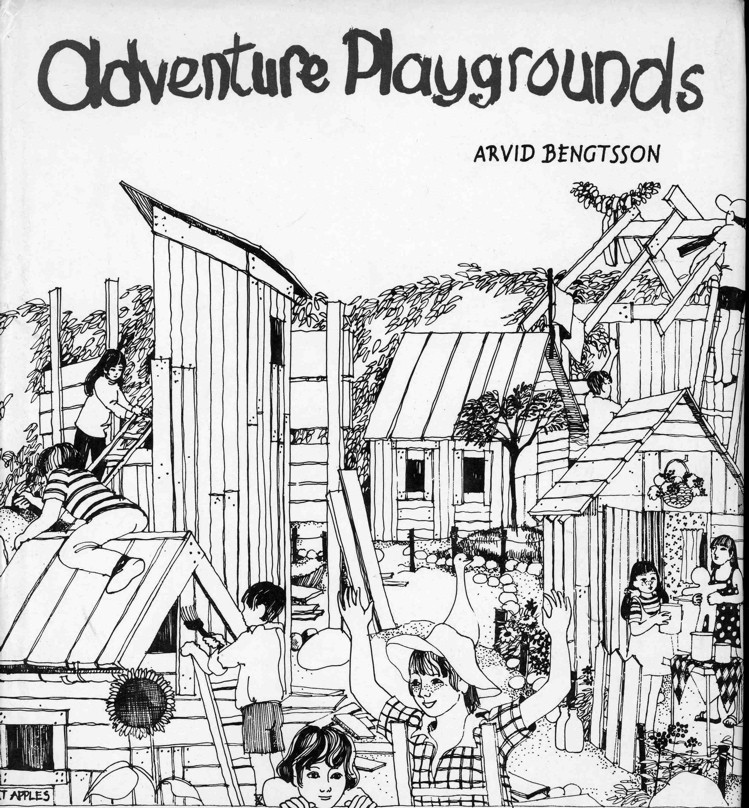
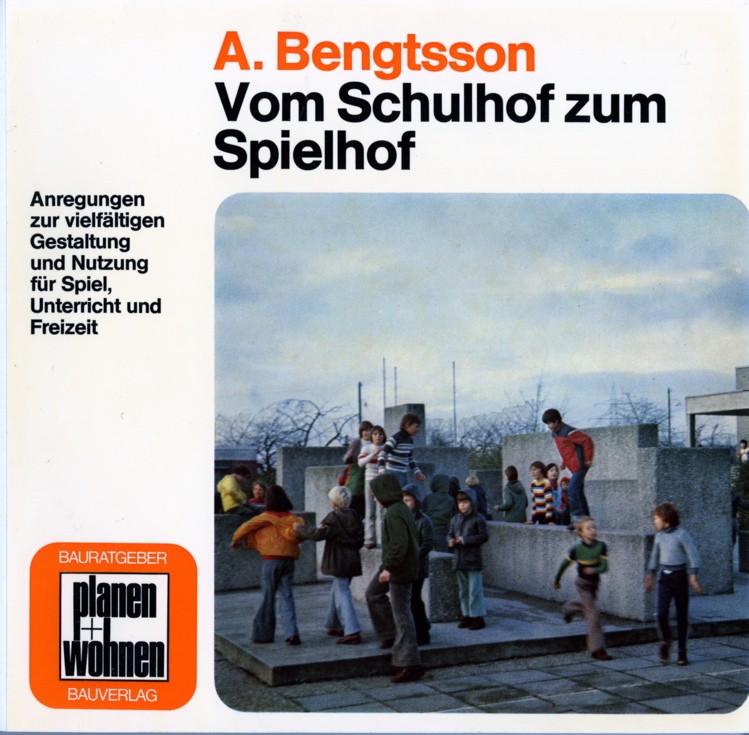
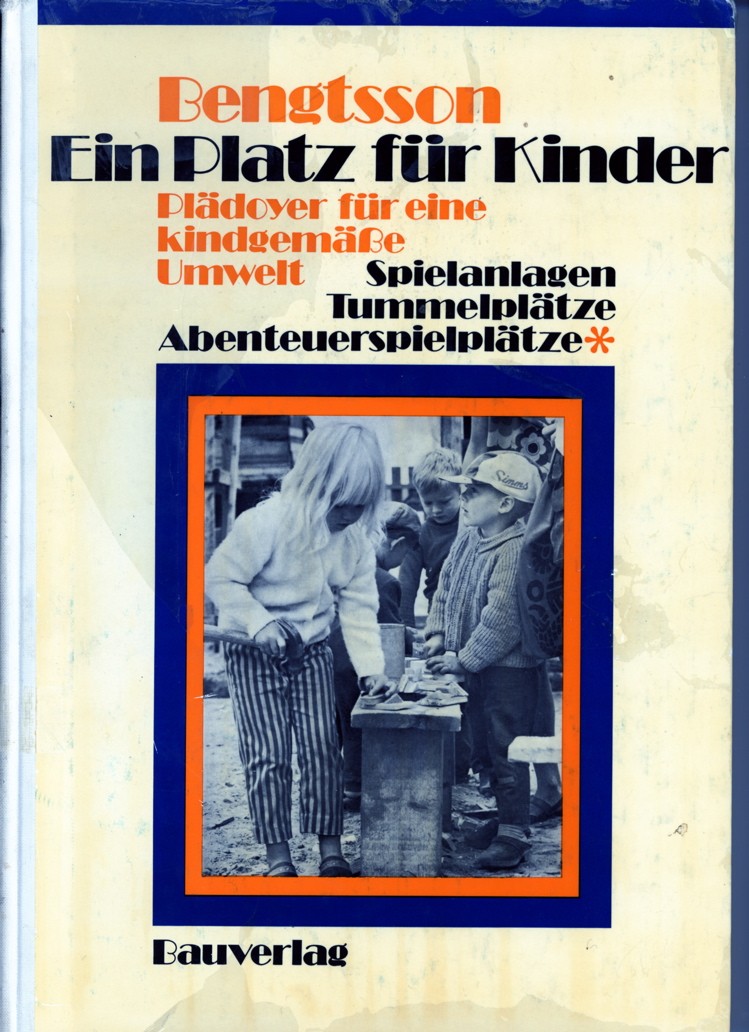
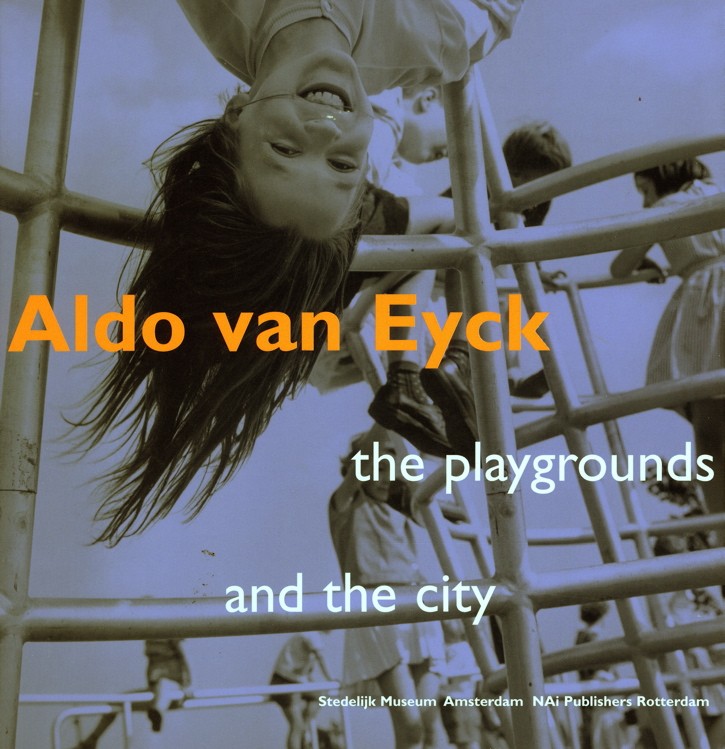
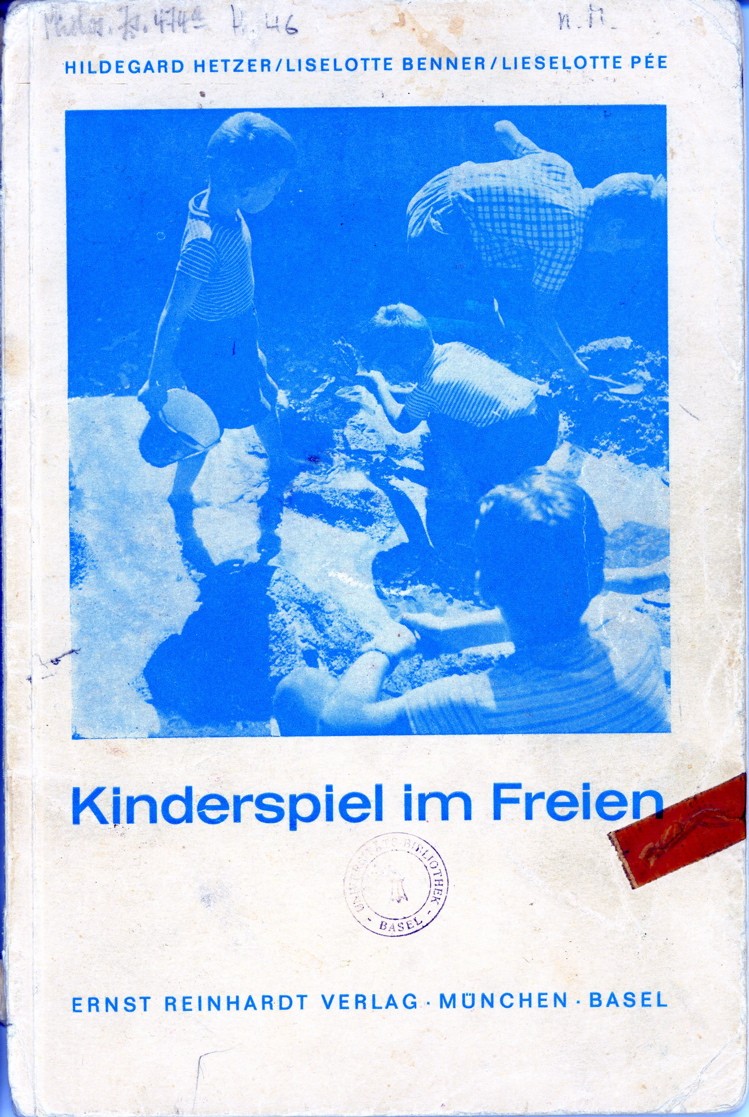
1966, Hetzer, Benner, Pée
Beiheft von „Schule u. Psychologie“
aus: McQuade W. (Ed.), Schoolhouse
Simon and Schuster, NY, 1958
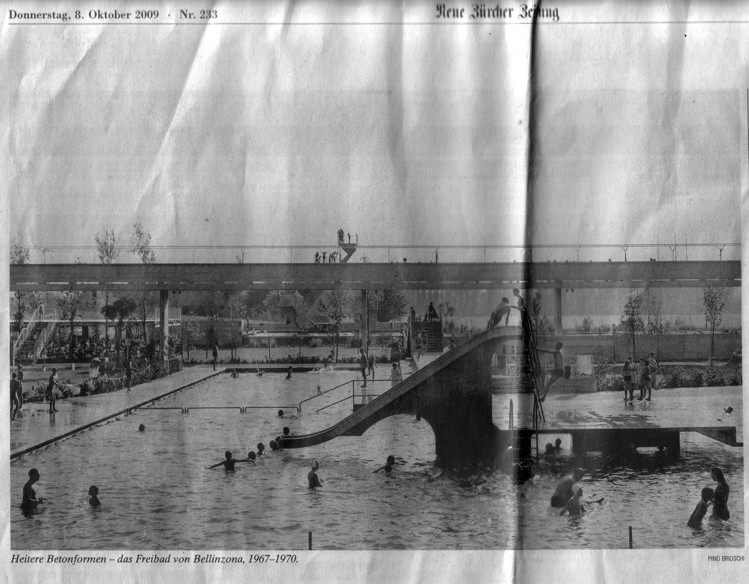
Freibad Bellinzona Schweiz
Galfetti, Ruchat-Roncati, Trümpy