M. Paul Friedberg (*1931), landscape architect, New York
Play environments for housing projects, schools, vest pocket parks:
- Nathan Straus Houses
- Quincy street (together with Pratt Institute)
- Carver Houses (1963), Astor Foundation
- Leffert Place Brooklyn, Rockefeller Foundation (1964), Vest Pocket Park
- Riverview Towers at 140th Street (Manhatten)
- Jacob Riis Plaza in the Lower East Side (1965), Astor Foundation
- Buchanan School (Washington D.C.)(1966), Astor Foundation for Lady Bird Johnson's Beautify America Program
- P.S. 166 on West Eighty-ninth Street (Manhattan) (1967), rebuilt 2000
- A series of ten Vest Pocket Parks 1967-1968: Bedford Stuyvesant (Brooklyn), Mulberry Street Park, 29th Street
- Housing and Urban Development Demonstration Grant (Grant from the Department of Housing and Development; Beautification Act) (1968)
- Superblock Bedford-Stuyvesant, architect: I.M. Pei (1968)
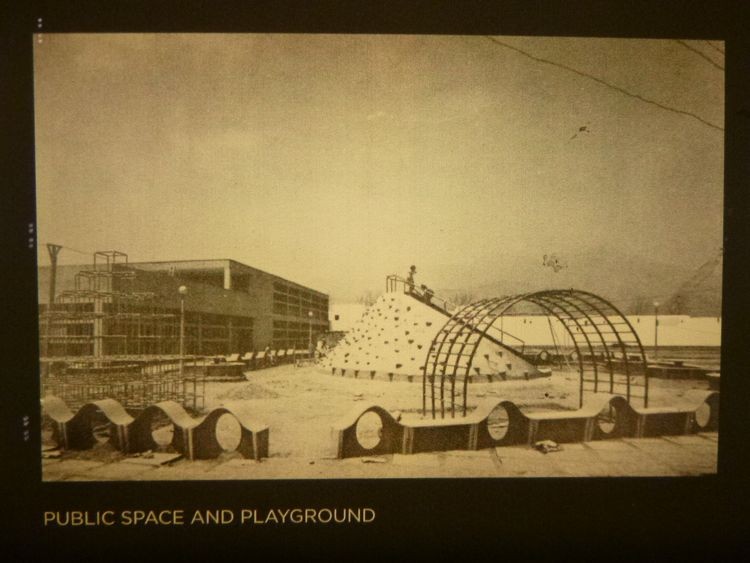
- Gottesman Plaza Playground on West Ninety-fourth Street (1970)
- Playground for Fort Lincoln Urban Renewal Plan, Washington, D.C. / Fort Lincoln New Town (1972)
- Billy Johnson Playground at East 67th Playground, Central Park (1985)
superblock Bedford-Stuyvesant, I.M. Pei; Saving Bedford Stuyvesant; "Epic to Ad Hoc: I.M. Pei and M. Paul Friedberg’s Bedford Stuyvesant Superblock"
timeline playground and landscape projects M. Paul Friedberg and Partners
Excerpt from M. Paul Friedberg Oral History Interview
"Dattner and Friedberg, made New York the locus for some of the most original American playgrounds in the postwar period. Their approach was simple. Both men stressed that playgrounds should comprise linked and integrated pieces and spaces. They wanted to challenge children's creativity by departing from the common urban formula of isolated incidents.
In 1965, with funding from the Astor Foundation, which hoped to decrease juvenile delinquency, Friedberg designed a playground at the heart of the public Jacob Riis Houses (Architects: Pomerance & Breines, 1949). This was Friedberg's "first total play environment".
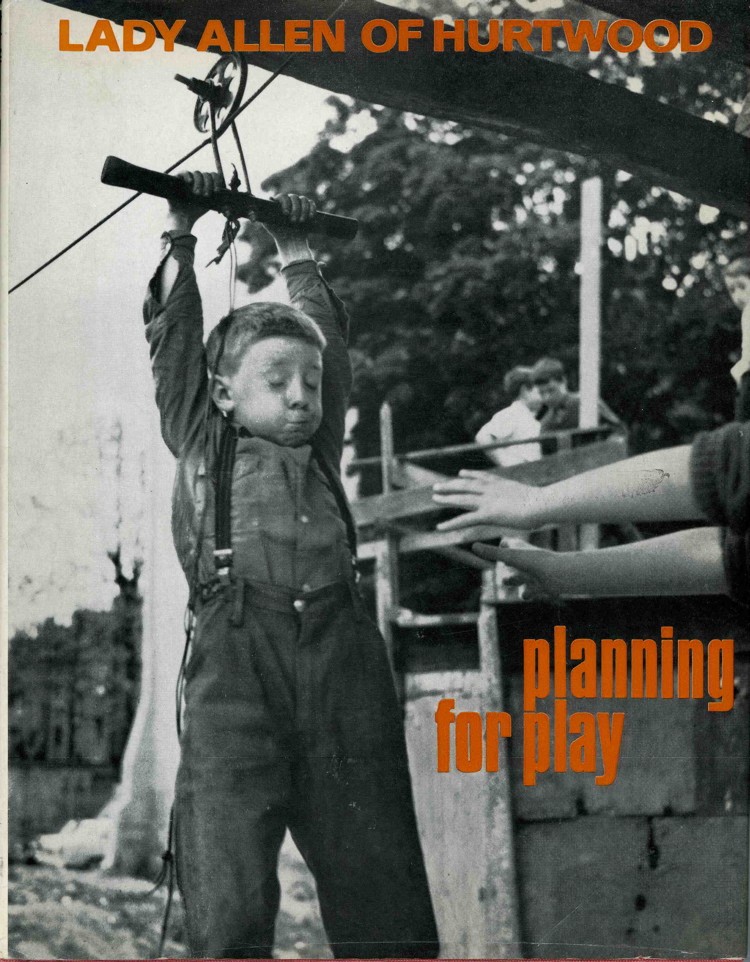
Friedberg, invoking the work of Lady Allen, hoped that linked uses could become an analogy for the boundless possibilites that were inherent in an Adventure Playground."
Biography M. Paul Friedberg, in The Cultural Landscape Foundation
Solomon, Susan G. American Playgrounds: Revitalizing Community Space. Hanover [N.H.: University Press of New England, 2005.
Alison Dalton, M. Paul Friedberg's Early Design in New York City in, Birnbaum, Charles A. Preserving Modern Landscape Architecture: Papers from the Wave Hill-National Park Service Conference. Cambridge, Mass: Spacemaker Press, 1999, 57-58.
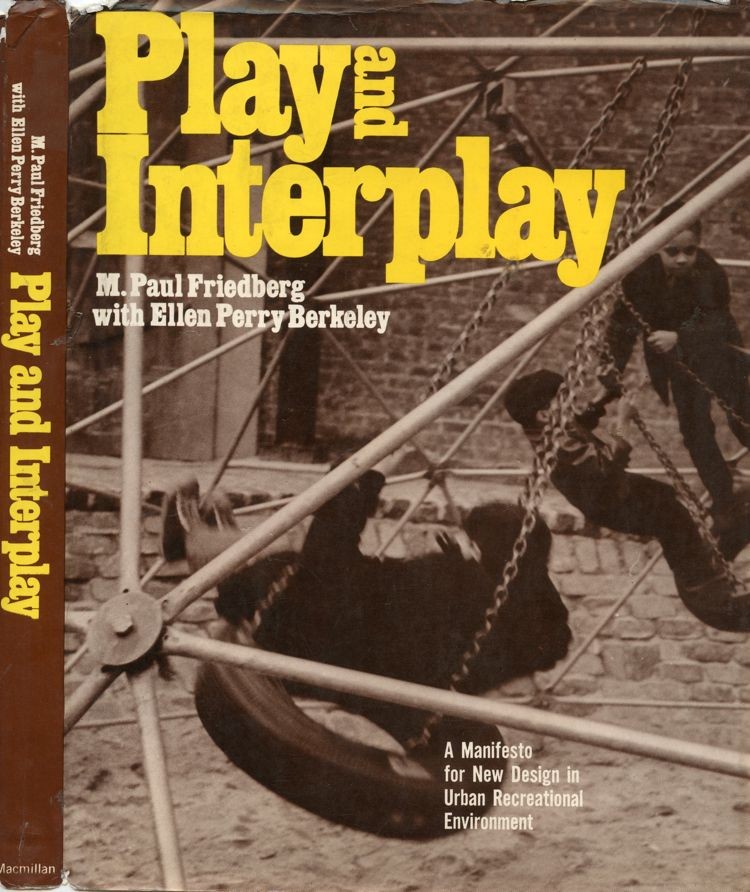
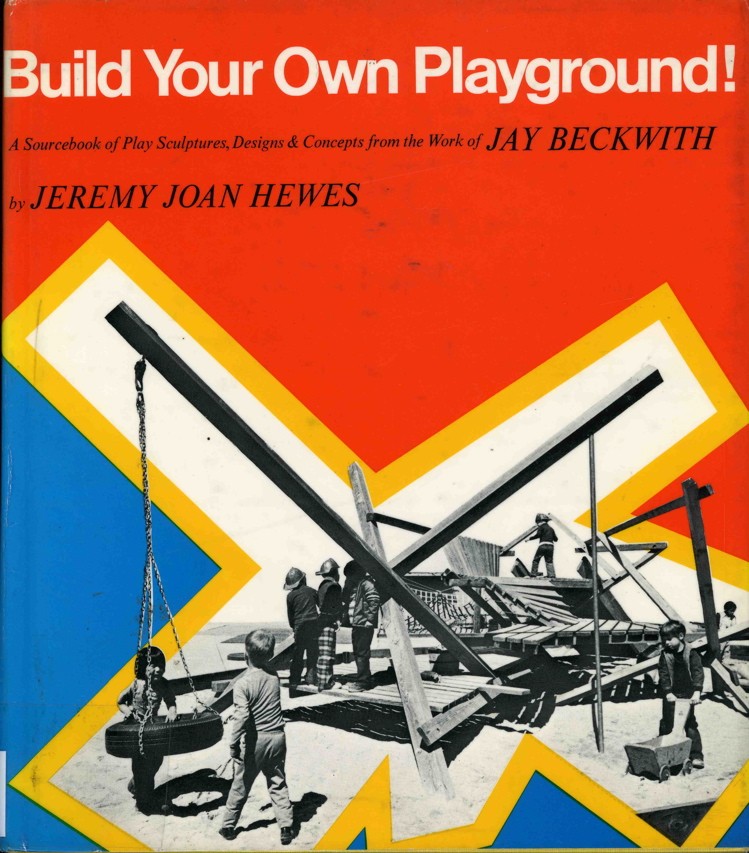
M. Paul Friedberg: Play and Interplay, 1970, The Macmillan Company, New York
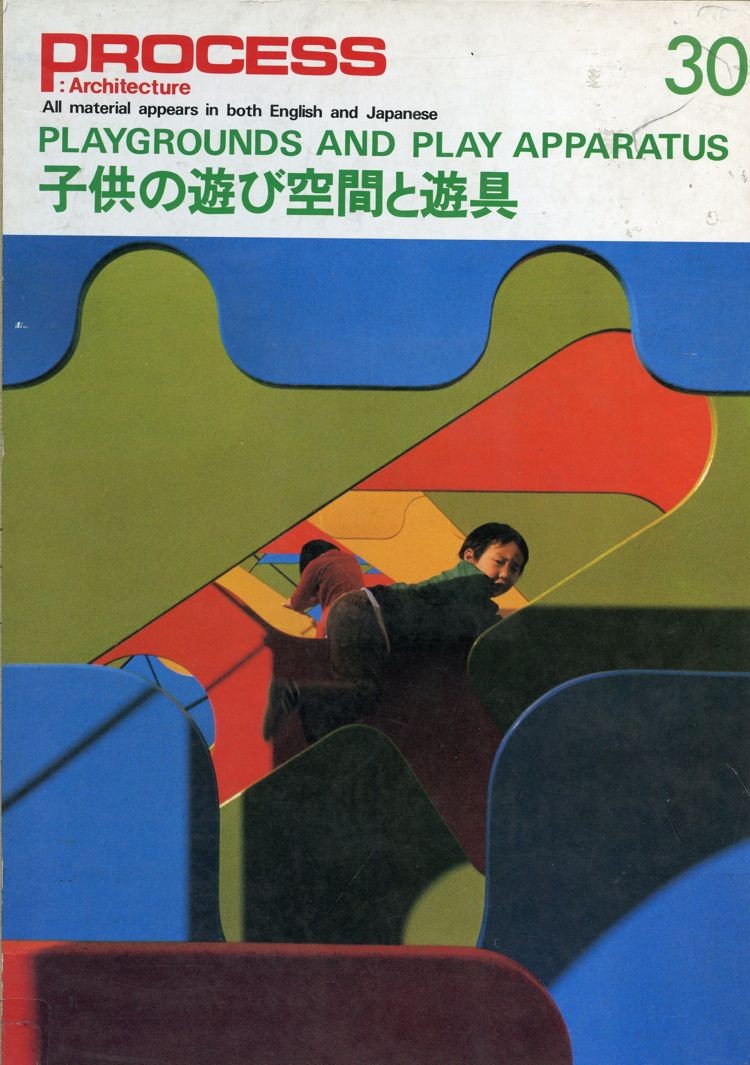
M. Paul Friedberg: Process Architecture No. 82, 1989.
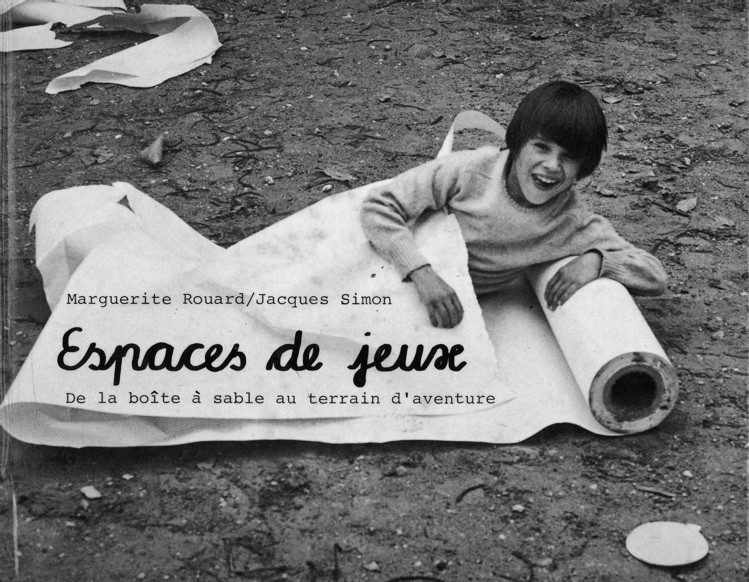
Marguerite Rouard, Jacques Simon: Espaces de jeux : de la boîte à sable au terrain d’aventure, D. Vincent, Paris 1976.
Peter Wolf. "The urban street" (A provocative forum in Minneapolis points up the unrealized potential of our long-neglected streets and their effect ont the quality of life.), Art in America Nov/Dec. 1970.
update: 5/1/2013

Joseph Weinstein Neighbourhood Park: Lefferts Place, Brooklyn N.Y., 1966

P.S. 166, New York, schoolyard

Public School 166 Playground: Manhattan, New York, 1968

Playground Bedford-Stuyvesant: Brooklyn, New York, 1970

street-playground, 1969: Bedford-Stuyvesant (Art in America)

Courtyard Buchanan School: Washington D.C., 1968

Courtyard Buchanan School

29th Street Vest Pocket Park, NY


Jacob Riis House, New York, 1966

Jacob Riis House, New York, 1966

Jacob Riis House, New York, 1966